
Dog probiotics and gut health are becoming major topics in pet wellness for 2026. More pet parents are looking beyond basic feeding and asking how digestion, immunity, skin health, allergies, stool quality, and daily comfort may be connected to the gut. This shift is part of a larger movement toward preventive pet care, where owners focus on small daily habits that may support long-term wellness.
Probiotics are often discussed in human health, but they are now showing up in dog foods, supplements, toppers, treats, and calming formulas. Many pet owners see them marketed for digestive balance, immune support, allergy concerns, stress-related stomach upset, and better stool consistency. However, not every probiotic product is the same, and not every dog needs one.
This guide explains what dog probiotics are, why gut health matters, when probiotics may help, and how to choose safer options for your dog. If you already follow wellness topics like at-home dog dental care or freeze-dried and air-dried dog foods, gut health is another important part of your dog’s daily care routine.
What Are Dog Probiotics?
Dog probiotics are beneficial live microorganisms that may help support the natural balance of bacteria in a dog’s digestive system. The gut contains many types of bacteria, and some of them play important roles in digestion, nutrient absorption, immune function, and stool quality.
When people talk about probiotics for dogs, they usually mean products that contain helpful bacterial strains. These may come in powders, capsules, soft chews, pastes, food toppers, or veterinary supplements. Some dog foods also include added probiotics.
The American Kennel Club explains that probiotics may be used to support digestive health in dogs, especially when recommended by a veterinarian. However, they should be chosen carefully because products can vary in quality, strain type, and intended use.
Why Gut Health Matters for Dogs
Your dog’s digestive system does much more than process food. It also supports immune health, helps break down nutrients, and may influence energy, stool consistency, and overall comfort. When the gut is balanced, many dogs have more predictable digestion and better daily routines.
Poor gut balance may show up in different ways. Some dogs may experience loose stool, gas, bloating, vomiting, reduced appetite, or sensitivity after diet changes. Others may have recurring digestive upset during stress, travel, boarding, or antibiotic use.
Gut health can also connect with other wellness areas. For example, dogs with food sensitivities, skin irritation, or allergy concerns may need a complete plan that includes diet review, veterinary care, and sometimes targeted supplements.
The American Veterinary Medical Association reminds pet owners that health concerns should be discussed with a veterinarian, especially when symptoms are ongoing or severe.

When Dog Probiotics May Be Helpful
Probiotics are not magic fixes, but they may be useful in certain situations. Many veterinarians may recommend them as part of a larger care plan, especially when a dog’s digestive system needs support.
Dog probiotics may be considered for:
- Diet transitions: Some dogs experience stomach upset when switching foods too quickly.
- Loose stool: Probiotics may help support better stool consistency in some dogs.
- Antibiotic use: Antibiotics can affect gut bacteria, so some vets recommend probiotics during or after treatment.
- Stressful events: Boarding, travel, grooming, and schedule changes may trigger digestive upset.
- Allergy support: Some probiotic formulas are marketed for dogs with seasonal or skin-related concerns.
- Senior dog care: Older dogs may benefit from extra digestive support when recommended by a vet.
If your dog has repeated diarrhea, vomiting, weight loss, blood in stool, appetite loss, or pain, do not rely on supplements alone. These symptoms need veterinary attention.
Probiotics, Prebiotics, and Postbiotics
Pet food labels can be confusing because many products now mention probiotics, prebiotics, synbiotics, or postbiotics. These terms sound similar, but they are not exactly the same.
- Probiotics: Live beneficial microorganisms that may support gut balance.
- Prebiotics: Fibers that feed beneficial gut bacteria.
- Synbiotics: Products that combine probiotics and prebiotics.
- Postbiotics: Compounds produced by microorganisms that may support health in different ways.
Some dog foods and supplements combine these ingredients to support digestion. However, the formula, strain, dose, and product quality matter. A label that says “supports gut health” does not automatically mean the product is right for your dog.
The PetMD library provides helpful veterinary-reviewed information about digestive health, stool changes, and when pet owners should seek care.
How to Choose a Dog Probiotic
Choosing a probiotic should not be based only on packaging or social media trends. Dogs have different needs based on age, breed, health history, diet, allergies, and medications. The safest first step is to ask your veterinarian whether a probiotic is appropriate.
When comparing products, look for:
- Clear bacterial strain names
- Expiration date and storage instructions
- Dog-specific use directions
- Transparent ingredient list
- Veterinary guidance or clinical support
- No unnecessary artificial sweeteners
- Appropriate dosage for your dog’s weight
Avoid giving your dog human probiotic supplements unless your veterinarian specifically approves them. Human products may contain ingredients, flavors, sweeteners, or doses that are not ideal for dogs.
Can Dogs Eat Yogurt for Probiotics?
Some pet parents use plain yogurt as a natural probiotic source. While a small amount of plain, unsweetened yogurt may be tolerated by some dogs, it is not right for every pet. Dogs with dairy sensitivity may experience gas, loose stool, or stomach discomfort.
Never give yogurt that contains xylitol, chocolate, artificial sweeteners, or high sugar content. Xylitol is especially dangerous for dogs and should be avoided completely.
If you want to add yogurt, kefir, or fermented foods to your dog’s routine, ask your veterinarian first. A dog-specific probiotic may be more predictable than guessing with human foods.
Gut Health and Dog Food Choices
Diet plays a major role in digestive health. A complete and balanced dog food should provide the nutrients your dog needs for their age and lifestyle. Some dogs do well on traditional kibble, while others may benefit from wet food, fresh food, air-dried food, or veterinary diets.
For dogs with sensitive stomachs, sudden food changes can cause problems. Transition slowly over several days unless your veterinarian gives different instructions. Mix small amounts of the new food with the old food, then gradually increase the new food while watching stool quality and appetite.
If your dog is already eating premium or alternative diets, gut health still matters. You can read more in our article on freeze-dried and air-dried dog foods.
Stress, Anxiety, and Digestion
Many dogs experience digestive changes during stress. Travel, loud noises, new visitors, boarding, moving homes, or separation anxiety may affect appetite and stool quality. This is why gut health should not be viewed only as a food issue.
A calmer routine may support better digestion. Regular feeding times, gentle exercise, quiet rest areas, and enrichment can all help. If your dog gets anxious easily, you may combine digestive care with calming strategies like music therapy for dogs or interactive enrichment toys.
Some probiotic products are also marketed for stress-related digestive support. However, it is still best to ask your vet before using them, especially if your dog has ongoing anxiety or chronic stomach problems.
Hydration and Gut Health
Hydration is another important part of digestion. Water helps the body process food, move waste, and maintain normal body functions. Dogs that do not drink enough may become constipated or uncomfortable.
Make sure your dog always has access to fresh, clean water. Wash bowls daily, especially if your dog eats wet food, uses dental chews, or drools heavily. Some dogs drink more from fountains, while others prefer simple bowls.
The ASPCA recommends providing fresh water at all times as part of general dog care. If your dog suddenly drinks much more or much less than usual, contact your veterinarian.
Common Mistakes to Avoid
Because probiotics are popular, it can be tempting to add multiple products at once. This can make it difficult to know what is helping or what is causing side effects.
Avoid these common mistakes:
- Using several supplements at the same time without guidance
- Switching foods too quickly
- Choosing products only because they are trending online
- Ignoring persistent vomiting or diarrhea
- Giving human supplements without veterinary approval
- Assuming every dog needs a probiotic daily
The American Animal Hospital Association emphasizes the importance of individualized nutrition and weight management. Your dog’s ideal routine should be based on their specific needs, not a one-size-fits-all trend.
When to Call the Vet
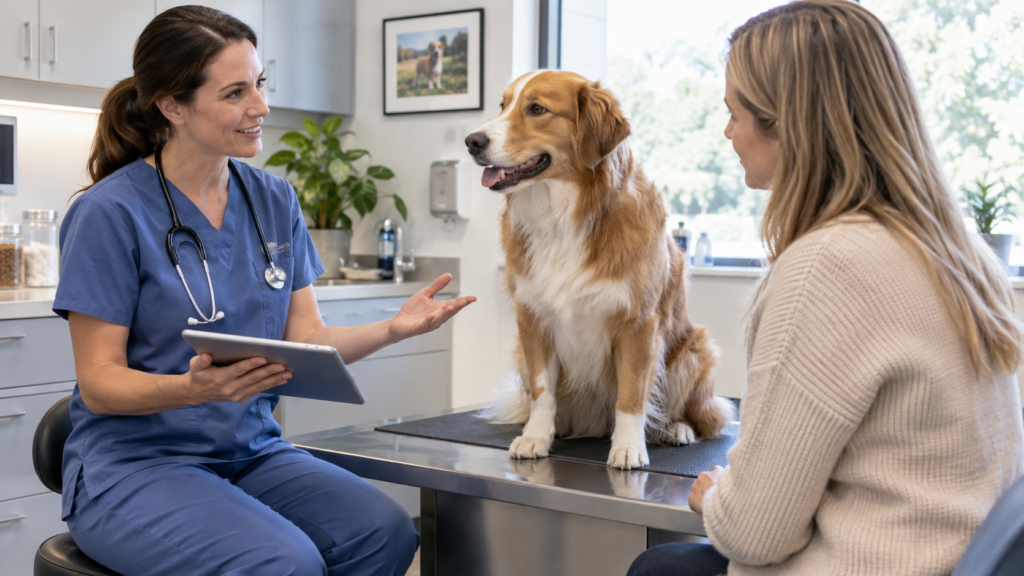
Probiotics may support digestive wellness, but they cannot replace a proper diagnosis. Contact your veterinarian if your dog has symptoms that are severe, repeated, or unusual.
Call your vet if you notice:
- Diarrhea lasting more than a day or two
- Repeated vomiting
- Blood in stool or vomit
- Loss of appetite
- Weight loss
- Signs of pain or bloating
- Extreme tiredness
- Sudden behavior changes
These signs may point to something more serious than a minor stomach upset. Early care can help protect your dog’s health and comfort.
Final Thoughts
Dog probiotics and gut health are trending in 2026 because pet parents want practical ways to support digestion, immunity, comfort, and daily wellness. A healthy gut may help your dog feel better, eat more comfortably, and maintain more consistent routines.
Still, probiotics should be used thoughtfully. Choose dog-specific products, avoid unnecessary supplements, transition foods slowly, and speak with your veterinarian before starting anything new.
The best approach is simple: feed a complete and balanced diet, provide fresh water, support calm routines, monitor stool and appetite, and use probiotics only when they make sense for your dog. With the right care, gut health can become a helpful part of your dog’s overall wellness plan.