What if the best part of your dog’s daily walk isn’t the distance you cover but the smells they discover? That’s the idea behind sniffari walks for dogs, a growing enrichment trend that encourages pet parents to slow down and let their dogs explore the world through scent. Instead of rushing around the block, you give your dog time to investigate grass, trees, and interesting corners at a comfortable pace.
Sniffaris are gaining attention in 2026 as dog owners rethink what a satisfying walk looks like. The PDSA’s 2026 animal wellbeing report emphasizes that dogs benefit from varied exercise and opportunities to express natural behaviors, including sniffing. The good news? You don’t need fancy equipment, expensive classes, or a large backyard to get started.
What Is a Sniffari Walk?
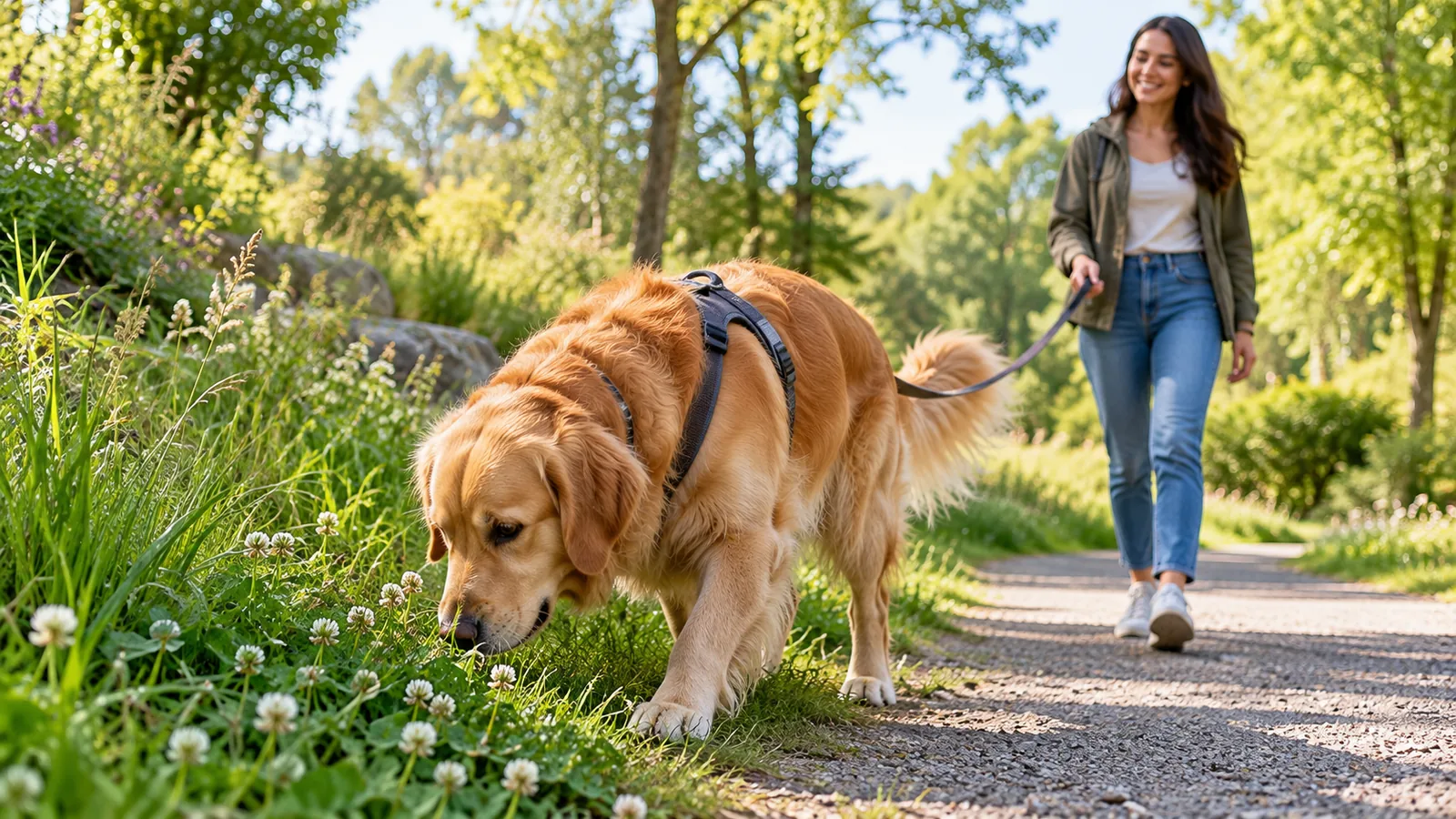
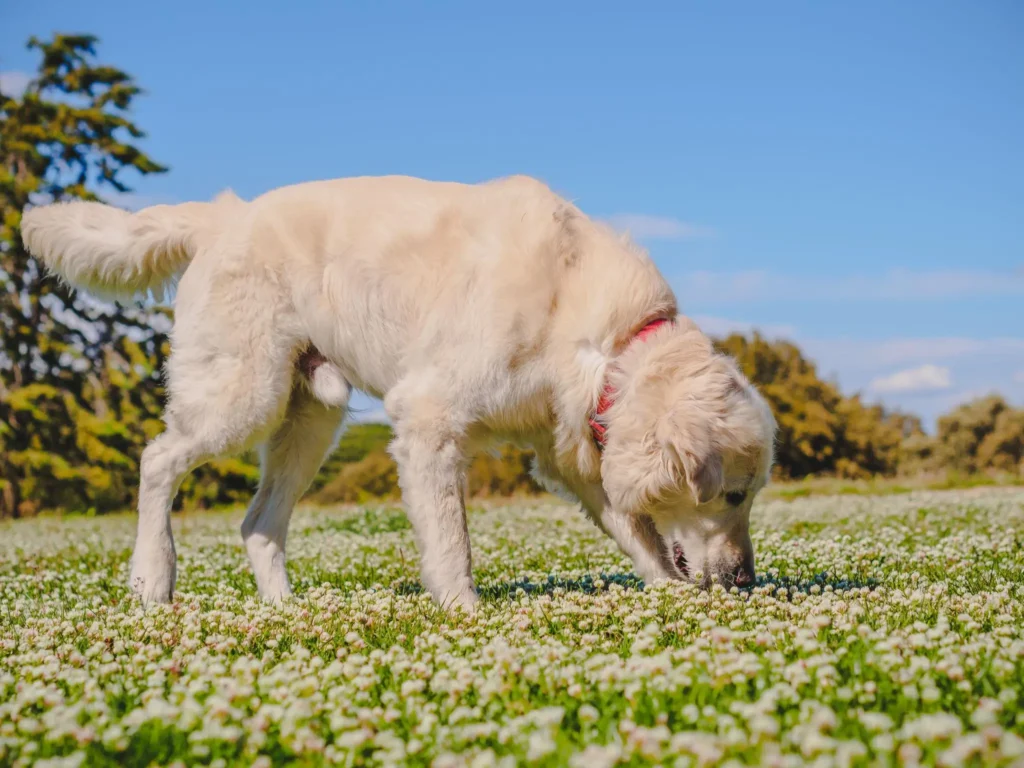
The word sniffari combines “sniff” and “safari.” It’s a relaxed, scent-led walk where the dog has more opportunities to choose what to investigate. You still control safety and boundaries, but your dog gets more say in the pace and, where practical, the direction.
Unlike a fitness walk, the goal isn’t to hit a step count. Your dog might spend two minutes examining one patch of grass, move ten feet, then stop again. That’s normal. According to the American Kennel Club’s guide to sniff walks, scent exploration offers mental enrichment and helps dogs engage with their surroundings.
Why Sniffari Walks Are Trending in 2026
For years, many owners judged a walk by its length or speed. More recent discussions about canine welfare focus on the quality of the experience, including choice, curiosity, and safe exploration. In its October 2026 wellbeing update, PDSA reported that 32% of surveyed dog owners walked their dogs for 30 minutes or less daily. Walk duration alone cannot tell us whether a particular dog gets enough activity, but it highlights why enriching the time we do spend outdoors matters.
Sniffaris are particularly appealing to busy owners because they can fit into familiar routes. A short, thoughtful outing can complement a longer exercise walk, a training session, or indoor enrichment. If your dog already enjoys puzzles, explore our article on interactive enrichment toys for dog anxiety for more ways to engage their brain.
Five Benefits of Letting Your Dog Sniff
1. Mental Enrichment Without Extra Gadgets
Scents tell dogs about the animals, people, and activities around them. Investigating those smells gives their minds something meaningful to process. PetMD’s veterinarian-reviewed explanation of scent walks describes sniffing as an important form of enrichment, not an annoying delay.
2. More Choice and Confidence
Most of a dog’s routine is decided by humans: meal times, routes, destinations, and when to go home. Safe choices during a walk can make the experience more rewarding. A hesitant dog may prefer investigating a quiet hedge rather than greeting unfamiliar dogs.
3. A Calmer Alternative to Busy Outings
Some dogs become overstimulated by crowds, traffic, or noisy parks. A peaceful sniff walk in a familiar area may be easier to enjoy. It isn’t a cure for anxiety, but it can be one helpful part of a broader management plan.
4. Quality Time With Your Dog
Sniffaris encourage you to notice your dog’s interests and body language. Following their curiosity can make walks feel less like a chore and more like shared exploration.
5. Flexible Fun for Different Ages
Healthy puppies, adult dogs, and many seniors can enjoy scent exploration at an appropriate pace. A slower outing may work especially well for a dog that enjoys smelling everything but cannot comfortably manage a strenuous hike.
How to Start a Sniffari Walk: Six Simple Steps
- Choose a quiet location. Start on a familiar sidewalk, grassy path, or uncrowded park trail. Skip busy dog parks if they make your dog uncomfortable.
- Use comfortable walking equipment. A well-fitted harness and a standard leash are a sensible starting point. A longer line can be useful in a safe, open area where permitted, but keep it short near roads and other people.
- Begin with a loose leash. Walk gently and pause when your dog discovers an interesting smell. Avoid constantly pulling them forward.
- Offer a cue. Say “go sniff” when it is safe to explore. A separate “let’s go” cue can help when you need to move away.
- Follow their interests, within limits. Let your dog select safe spots to investigate. Redirect them from litter, unknown food, droppings, toxic plants, or hazards.
- End before your dog is exhausted. Start with about 10–15 minutes and adjust based on age, weather, fitness, and enjoyment. There is no universal perfect duration.
Blue Cross recommends allowing sniffing during leash walks and explains that a cue such as “go sniff” can help dogs understand when they have freedom to explore. The goal is structured freedom, not an uncontrolled walk.
What Equipment Do You Need?
A sniffari can be inexpensive. Bring a properly fitted harness, a secure leash, poop bags, fresh water when needed, and a few small treats for recall or redirection. Comfortable walking shoes help because you’ll stop and start frequently.
A retractable leash is not necessary, and a very long line isn’t suitable for crowded sidewalks. Always check local leash rules. For dogs learning to walk politely, combine sniffing time with the positive training ideas in our smarter dog training guide.
Reading Your Dog’s Body Language
Sniffing isn’t automatically a sign that a dog feels relaxed. Look at the whole dog. A comfortable explorer often has loose muscles, a soft expression, natural tail movement, and the ability to pause and move on. A worried dog may freeze, tuck their tail, scan constantly, or pull desperately to escape.
If your dog appears overwhelmed, increase distance from the trigger or head somewhere quieter. Do not force greetings with people or other dogs. For dogs living near heavy traffic, our article on mental enrichment for urban dogs offers additional home-friendly activities.
Sniffari Safety: Heat, Hygiene, and Wildlife
Safety always comes before freedom. Check pavement temperature on hot days, provide shade and water, and avoid walking in intense heat. Keep your dog away from broken glass, pesticides, sharp seeds, unfamiliar mushrooms, animal waste, and anything they might swallow.
Stay alert for cyclists, other dogs, wildlife, and moving vehicles. Keep a secure hold on the leash, especially when following scents near roads. The Dogs Trust guide to enrichment recommends varied sniffing opportunities while reminding owners to watch for signs of worry and choose safe activities.
Can Senior Dogs and Puppies Enjoy Sniffaris?
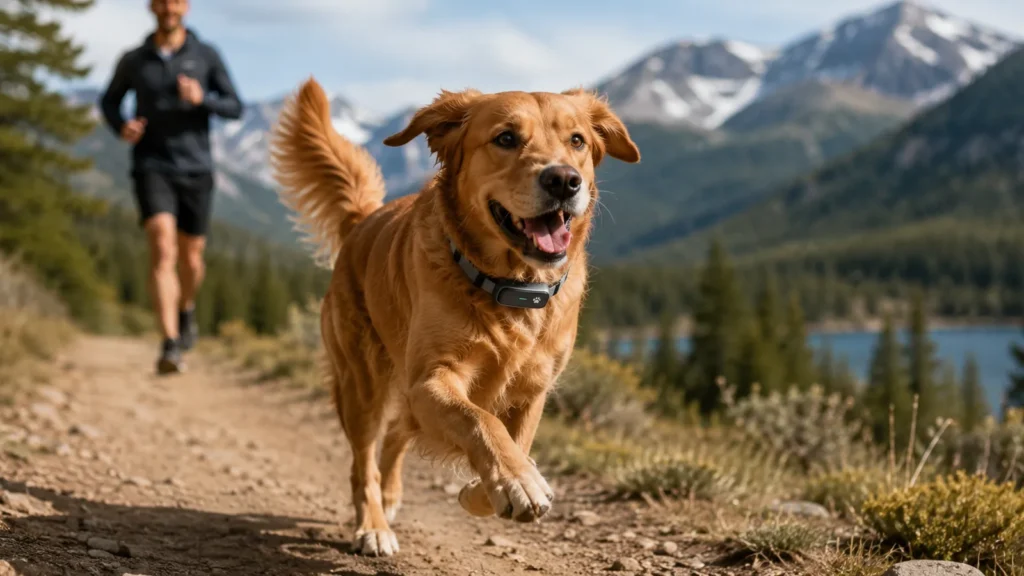
Yes, with adjustments. Puppies need short outings suited to their developmental stage and vaccination guidance. Older dogs may prefer flat, shaded routes with frequent rests. Dogs recovering from injury or living with breathing, joint, or heart conditions should follow veterinary activity advice.
A sniffari does not have to replace exercise. A dog that enjoys running may benefit from both a brisk outing and a slow scent session. The AAHA’s September 2026 discussion of outdoor activity with pets highlights the wider value of safe time outdoors for people and their animals.
Sniffari Walks for Dogs: Frequently Asked Questions
Are sniffari walks better than regular walks?
They’re different, not automatically better. Sniffaris emphasize exploration and choice, while brisk walks provide more sustained physical activity. Most dogs benefit from a sensible mix.
How often should I offer sniffing time?
You can include a few sniffing breaks on everyday walks or dedicate several outings each week to scent exploration. Let your dog’s needs and schedule guide you.
Can I do a sniffari without a park?
Absolutely. A quiet residential street, courtyard, or safe grassy corner can offer plenty of interesting smells. You can also create supervised scent games indoors with a snuffle mat or hidden treats.
Final Thoughts
Sniffari walks for dogs are a reminder that a rewarding outing isn’t measured only in miles. By slowing down, making room for curiosity, and protecting your dog’s safety, you can turn familiar routes into meaningful enrichment. Start with one short scent-led walk this week, observe what your dog enjoys, and build a routine that suits you both.