When it comes to your furry best friend’s overall well-being, one crucial aspect often gets overlooked: dog dental health. As we move through 2026, pet parents are becoming increasingly aware that a healthy mouth is the gateway to a healthy body. In fact, the pet dental care market is now worth an estimated $4.5 billion and is projected to grow to $10.8 billion by 2036, driven by a growing understanding that preventive care can save dogs from pain and owners from costly veterinary bills. If you have been focusing on nutrition and enrichment, it is time to add dental hygiene to your daily routine.
Dental disease is one of the most common medical conditions seen by veterinarians. By the time they are three years old, most dogs show some signs of periodontal disease. This condition does not just cause bad breath; it can lead to severe pain, tooth loss, and even systemic health issues affecting the heart, liver, and kidneys. Fortunately, with the right knowledge and tools, you can protect your dog’s smile and enhance their quality of life.
Understanding the Importance of Dog Dental Health
The significance of dog dental health extends far beyond fresh breath and white teeth. The mouth is a breeding ground for bacteria. When plaque builds up on the teeth and hardens into tartar, it creates an environment where harmful bacteria thrive. These bacteria can then travel under the gumline, causing inflammation and infection known as gingivitis and periodontal disease.
Furthermore, the consequences of neglecting dental care can be severe. The bacteria from the mouth can enter the bloodstream, potentially causing damage to major organs. According to the American Veterinary Medical Association (AVMA), regular dental care is essential for preventing these serious complications. Therefore, maintaining your dog’s oral hygiene is a vital component of their overall health strategy.
Moreover, certain breeds are more susceptible to dental issues than others. Small breeds, such as the Pomeranian and the Shih Tzu, often have crowded teeth, which makes plaque accumulation more likely. Similarly, brachycephalic breeds like the Pug face unique dental challenges due to the shape of their jaws. Understanding your dog’s specific needs is the first step in creating an effective dental care plan.
The Rise of Preventive Dental Care in 2026
In 2026, the trend in pet care is shifting heavily toward prevention. Pet owners are no longer waiting for problems to arise before taking action. Instead, they are proactively seeking ways to maintain their dogs’ health and prevent diseases before they start. This shift is evident in the growing popularity of dental care products and services, with over 80% of pet owners now aware of the importance of oral hygiene for their pets.
The Veterinary Oral Health Council (VOHC) plays a crucial role in this preventive movement. They evaluate dental products and award their Seal of Acceptance to those that successfully retard plaque and tartar. When shopping for dental care items, looking for the VOHC seal is a reliable way to ensure you are choosing effective products for your dog.
Additionally, the focus on preventive care aligns with the broader trend of pet humanization. As dogs are increasingly viewed as family members, owners are willing to invest more time and resources into their health. This includes regular veterinary check-ups, high-quality diets, and comprehensive dental care routines. This wellness-first mindset is also reflected in the growing interest in mental health and enrichment tools for dogs.
Effective At-Home Dental Care Strategies
Implementing an at-home dental care routine is the most effective way to maintain your dog’s oral health between veterinary visits. While it may seem daunting at first, establishing a consistent habit will benefit both you and your dog in the long run.
Brushing Your Dog’s Teeth
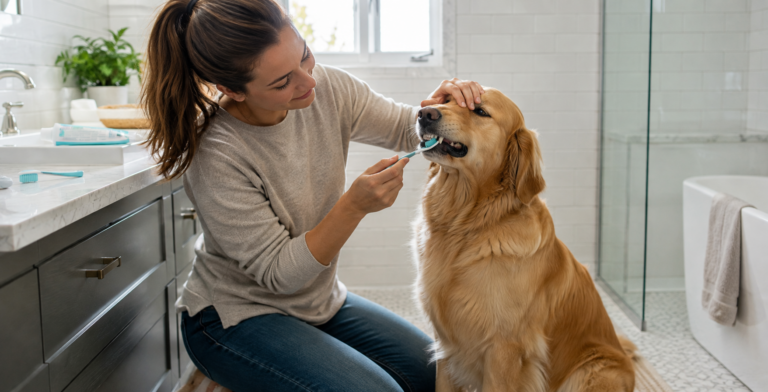
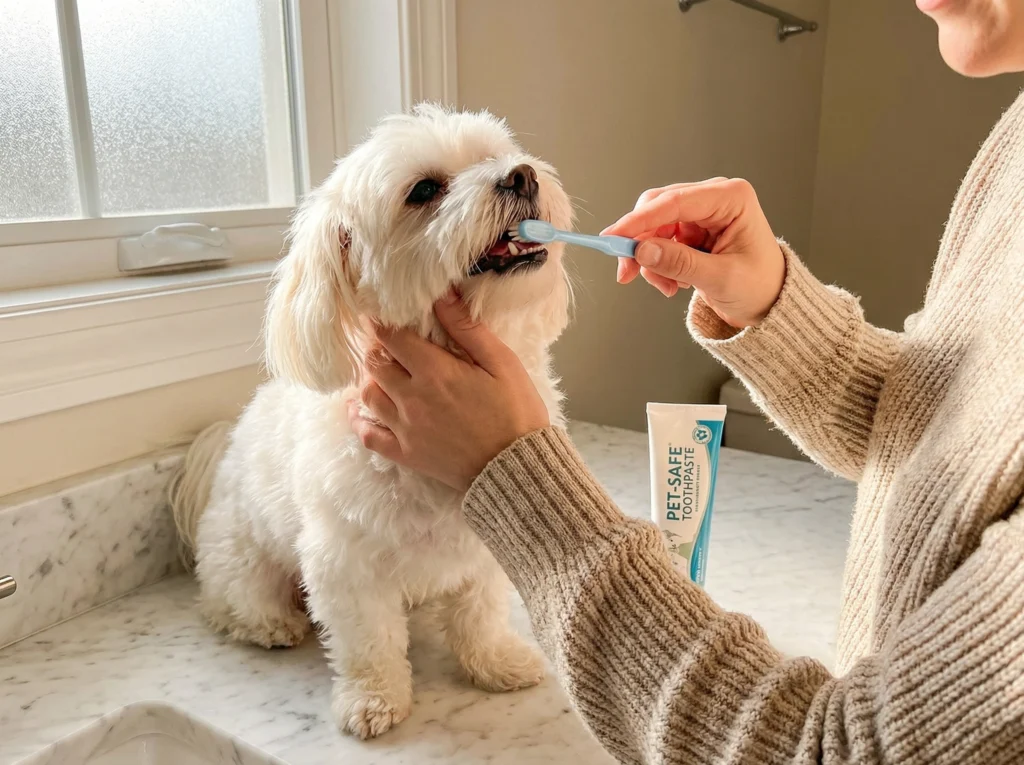
The gold standard for dog dental health is daily brushing. Just like humans, dogs need the mechanical action of brushing to remove plaque before it hardens into tartar. However, it is crucial to use products specifically designed for dogs. Human toothpaste often contains ingredients like xylitol, which is highly toxic to dogs.
To start, introduce the process gradually. Let your dog taste the canine toothpaste, which usually comes in appealing flavors like poultry or beef. Then, gently rub their teeth and gums with your finger or a finger brush. Once they are comfortable, you can transition to a soft-bristled dog toothbrush. The American Kennel Club (AKC) recommends focusing on the outside surfaces of the teeth, as this is where plaque accumulates most rapidly.
Dental Treats and Chews
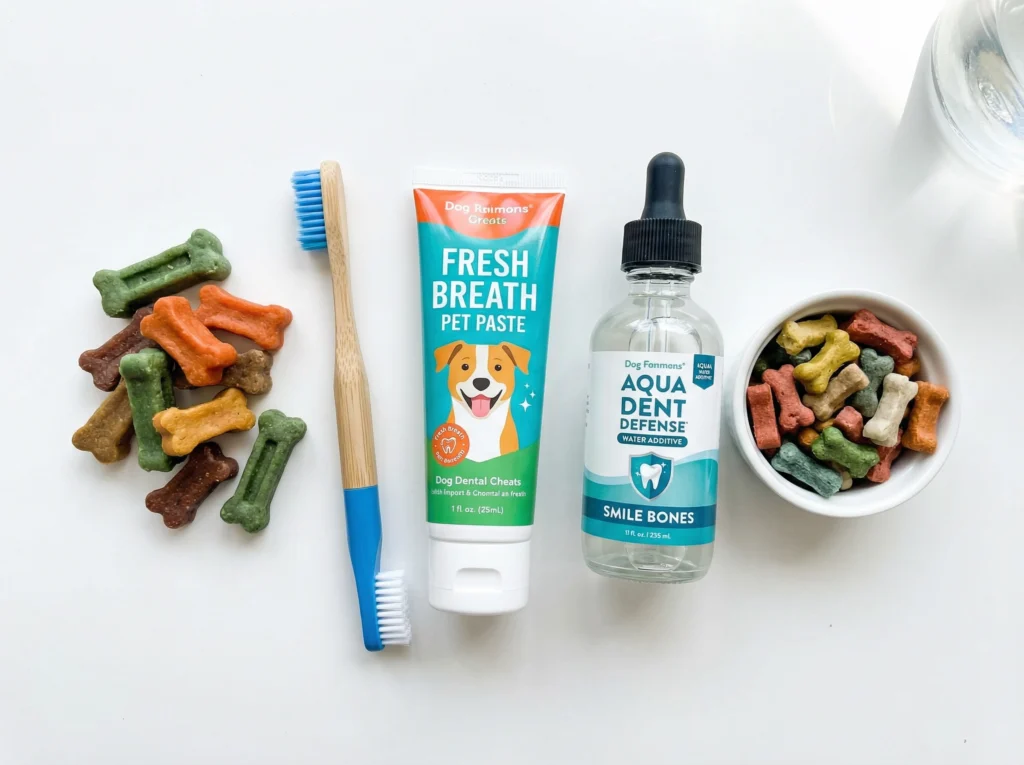
If daily brushing is a struggle, dental treats and chews can be a valuable addition to your routine. These products are designed to mechanically scrape plaque off the teeth as the dog chews. Furthermore, some chews contain enzymes that help break down plaque and freshen breath.
When selecting dental chews, ensure they are the appropriate size for your dog to prevent choking hazards. It is also important to monitor your dog while they are chewing to ensure they do not swallow large pieces. Incorporating these treats into their daily routine can provide both mental stimulation and dental benefits, much like the interactive toys used to reduce anxiety.
Water Additives and Dental Diets
For dogs that are particularly resistant to brushing or chewing, water additives offer a simple solution. These tasteless liquids are added to your dog’s drinking water and work to reduce bacteria and plaque formation. While they are not a replacement for brushing, they provide an extra layer of protection.
Additionally, specialized dental diets are available for dogs with significant dental issues. These kibbles are formulated to be larger and more fibrous, scrubbing the teeth as the dog bites down. If you are considering a dental diet, consult your veterinarian to ensure it meets your dog’s nutritional needs, especially if you are exploring freeze-dried or air-dried options.
The Role of Professional Dental Cleanings
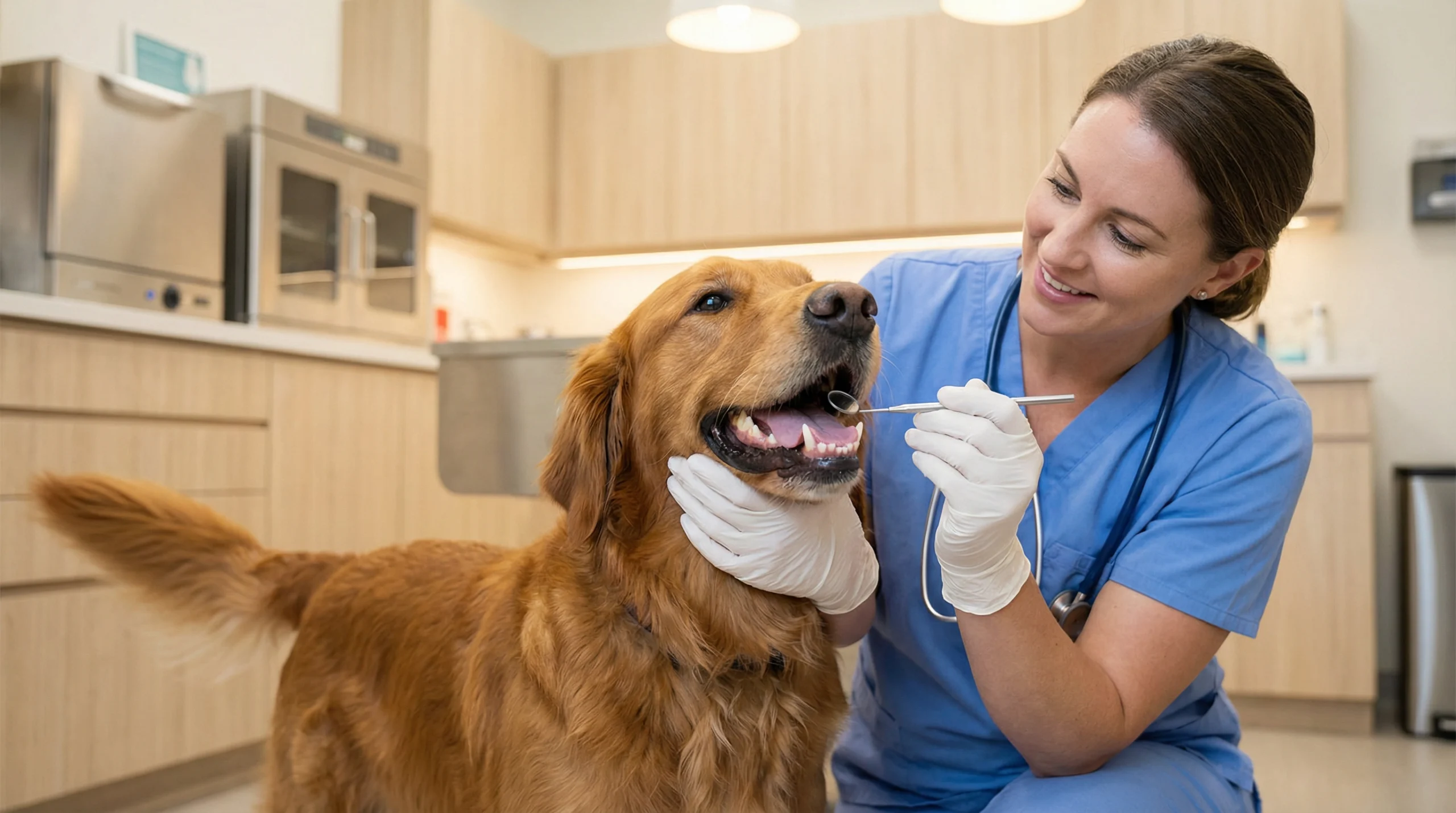
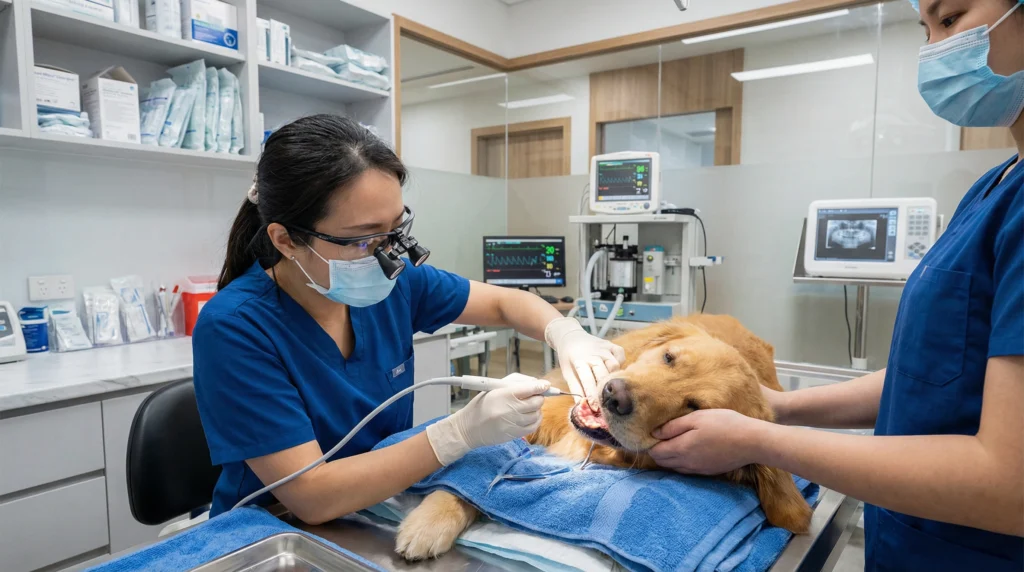
Despite your best efforts at home, professional dental cleanings are an essential component of comprehensive dog dental health care. At-home methods primarily address the visible surfaces of the teeth, but they cannot reach the plaque and tartar that accumulate below the gumline.
During a professional cleaning, your veterinarian will perform a thorough examination of your dog’s mouth. This process requires general anesthesia to ensure the dog’s safety and comfort, and to allow the veterinarian to clean below the gumline effectively. According to VCA Animal Hospitals, the procedure includes scaling to remove tartar, polishing to smooth the tooth surface, and often dental X-rays to detect hidden issues.
While the idea of anesthesia can be concerning for pet parents, the risks are generally low when proper protocols are followed. The benefits of a professional cleaning—preventing pain, tooth loss, and systemic disease—far outweigh the risks. Your veterinarian will conduct pre-anesthetic blood work to ensure your dog is healthy enough for the procedure.
Recognizing the Signs of Dental Disease
Early detection is key to managing dental disease effectively. As a pet parent, you should regularly inspect your dog’s mouth and be vigilant for any signs of trouble. Catching issues early can prevent them from progressing into more severe conditions.
The most common warning signs of dental disease include persistent bad breath (halitosis), red or swollen gums, yellow or brown tartar buildup on the teeth, difficulty eating or dropping food, pawing at the mouth or face, and loose or missing teeth. Swelling under the eyes or along the jawline can also indicate a serious dental abscess that requires immediate veterinary attention.
If you notice any of these symptoms, it is crucial to schedule a veterinary appointment promptly. Ignoring these signs can lead to chronic pain and more complex health issues down the line. Cornell University College of Veterinary Medicine emphasizes that proactive monitoring is a critical part of responsible pet ownership.
Integrating Dental Care into Overall Wellness
Dog dental health should not be viewed in isolation; it is an integral part of your dog’s overall wellness. A healthy diet, regular exercise, and mental enrichment all contribute to a strong immune system, which in turn helps fight off infections, including those in the mouth. According to PetMD, combining multiple dental care strategies—brushing, dental treats, water additives, and professional cleanings—produces the best outcomes for long-term oral health.
As we embrace the pet care trends of 2026, let us commit to providing our furry companions with the comprehensive care they deserve. By prioritizing dental hygiene, we are not just preserving their smiles; we are protecting their health, enhancing their comfort, and ensuring they remain happy and active members of our families for years to come.
Start today by inspecting your dog’s teeth, investing in a good canine toothbrush, and scheduling a dental check-up with your veterinarian. Your dog’s bright, healthy smile will be the best reward for your efforts.
Want to learn more about keeping your dog healthy and happy? Check out our guides on dog training trends, mental health and enrichment tools, and interactive toys to reduce anxiety.